Diabetic foot complications are almost entirely preventable. The patients who avoid amputations aren't the ones with better blood sugar control alone — they're the ones with a consistent daily routine that catches problems before they become crises.
These six products form the foundation of that routine. All are available on Amazon, and none of them cost more than $70.
Buy this if
- You have diabetes with any nerve sensitivity or reduced circulation
- You're focused on preventing skin breakdown or injury
Skip it if
- You have undiagnosed foot pain, that needs a podiatrist's evaluation before self-treating, especially with diabetes
What to look for
How we choose
We prioritize seamless, non-irritating construction, moisture-wicking materials, and accommodative fit. Diabetic foot care is injury-prevention-first, so we weight that over cushioning or style, drawing on manufacturer specs and published guidance on diabetic foot care where relevant.
Our rankings reflect editorial judgment based on that evaluation, not a clinical trial. Diabetic foot care should be coordinated with your podiatrist, especially if you have neuropathy or circulation issues.
The 6 best options in 2026

The most important daily product for diabetic foot care. Non-binding top prevents the circulation restriction that standard sock elastics cause in compromised vascular systems. Seamless toe eliminates friction. Moisture-wicking fabric reduces infection risk. Buy several pairs and replace them regularly.
- Non-binding top critical for circulation
- Seamless toe
- Moisture-wicking
- Very affordable — stock up
- Purely functional — not stylish

Cracked, dry skin is an open door for infection. Apply nightly to heels and the whole foot — never between toes where trapped moisture breeds fungal infections. The urea formula penetrates deeply to heal existing cracks and prevent new ones. Has become the standard podiatrist recommendation.
- Urea formula penetrates cracked skin
- Clinically formulated for diabetic feet
- No greasy residue
- Affordable
- Don't apply between toes

Daily inspection is the single most effective diabetic foot care intervention. This long-handled mirror lets you see the bottom of your feet without bending — essential for anyone with limited mobility, neuropathy, or vision changes. Small investment that catches problems before they become amputations.
- Enables daily inspection
- Long handle for limited mobility
- Lightweight
- Catches problems early
- Needs good lighting to be effective
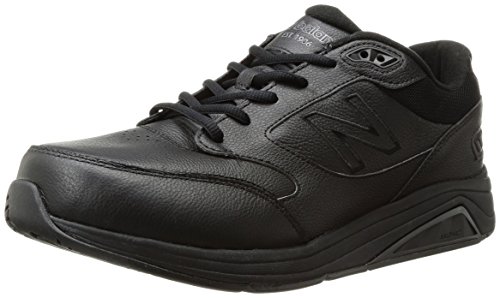
Medicare-approved therapeutic shoe available in 6 widths. Extra depth accommodates diabetic insoles and swollen feet. ROLLBAR stability posting reduces plantar pressure. If you have Medicare Part B and a diabetes diagnosis you may qualify for one pair annually at little or no cost — ask your podiatrist.
- Medicare-approved therapeutic shoe
- Available in 6 widths (2A to 4E)
- ROLLBAR reduces plantar pressure
- APMA accepted
- Check Medicare eligibility first before buying out of pocket

Specifically engineered for diabetic feet — extra depth cushioning reduces plantar pressure, antimicrobial top cover controls moisture and bacterial growth, and the soft foam doesn't create pressure points in areas with reduced sensation. Replace every 6 months.
- Designed specifically for diabetic feet
- Antimicrobial top cover
- Reduces plantar pressure
- Fits most therapeutic shoes
- More expensive than standard insoles
- Replace more frequently than general insoles

Improper nail trimming is a leading cause of ingrown toenails and foot wounds in diabetic patients. These professional-grade clippers make it easy to cut straight across — the correct technique. Sharp enough to cut cleanly without tearing or splitting, which can create entry points for infection.
- Cuts cleanly without tearing
- Professional grade quality
- Easy to cut straight across
- Well-designed for limited dexterity
- Consider having a podiatrist trim nails if you have neuropathy
The bottom line
The daily diabetic foot routine takes 5 minutes: inspect your feet (use the mirror), moisturize your heels, put on your diabetic socks and therapeutic shoes. That's it. The products here make that routine easy and complete.
If you have Medicare Part B with a diabetes diagnosis, ask your podiatrist about therapeutic footwear coverage before buying shoes at retail. You may qualify for one pair annually plus three pairs of insoles at little or no cost.
Want a personalized recommendation?
A podiatrist can fit you for exactly the right product combination for your foot type.