The right shoe for Achilles tendonitis does two things: reduces the tension on the tendon with every step, and controls the overpronation that twists the tendon during the gait cycle. The wrong shoe does neither — and can actively make the condition worse.
Here are the five best shoes for Achilles tendonitis in 2026, with specific attention to heel drop, stability, and the features that actually reduce tendon load.
Buy this if
- You've been diagnosed with Achilles tendonitis
- Your pain worsens noticeably in flat or zero-drop shoes
Skip it if
- You have symptoms of an acute Achilles rupture, that needs immediate medical attention, not shoe shopping
- Your pain isn't located at the Achilles
What to look for
How we choose
We look at heel-to-toe drop (a higher drop reduces strain on the Achilles), heel cushioning, and flexibility through the midfoot, since a stiff sole can worsen tendon load — weighing manufacturer specs and independent credentials like APMA acceptance where available.
Our rankings reflect editorial judgment based on that evaluation, not a clinical trial. Achilles pain that doesn't improve with better footwear is worth a podiatrist or PT evaluation.
The 5 best options in 2026

The best all-around Achilles tendonitis shoe. 12mm heel drop takes tension off the tendon immediately, GuideRails control the overpronation that strains it, and DNA Loft cushioning absorbs heel impact. APMA accepted. The stability-cushioning balance is exactly what Achilles tendonitis management requires.
- 12mm heel drop reduces Achilles tension
- GuideRails control overpronation
- DNA Loft heel cushioning
- APMA accepted
- Not ideal for neutral runners without overpronation
- Slightly heavier than neutral shoes
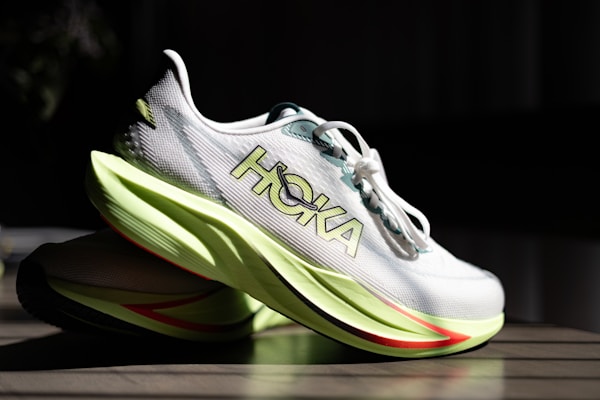
Maximum heel cushioning reduces the impact forces transmitted to the Achilles insertion. The rocker geometry also reduces the push-off demand at the toe, which loads the Achilles less at the most stressful point in the gait cycle. Best for patients who need maximum protection during recovery.
- Maximum heel cushioning
- Rocker reduces toe-off Achilles load
- APMA accepted
- Available in wide
- Lower heel drop (4mm) than ideal for Achilles — add a heel lift insert
- Expensive
Not sure which is right for you?
A podiatrist can evaluate your gait and foot type to give a precise recommendation.

Best motion control option for Achilles tendonitis caused by severe overpronation. The medial post is more aggressive than the Brooks GuideRails, appropriate for runners with significant inward roll. 10mm drop takes meaningful tension off the tendon.
- Strong medial posting for severe overpronation
- 10mm heel drop
- Available in multiple widths
- Durable outsole
- Too much control for neutral runners
- Heavier than neutral shoes

The lighter everyday option when you need Achilles protection without the maximum cushioning of the Bondi. 5mm drop is slightly low for Achilles — add a heel lift — but the overall geometry and cushioning still significantly reduces tendon load compared to most shoes.
- Lighter than Bondi
- Good everyday cushioning
- Rocker geometry
- Soft heel collar
- 5mm drop — lower than ideal without a heel lift

The fastest, cheapest intervention for Achilles tendonitis and the first thing most podiatrists try. A 6-12mm heel lift inside any shoe immediately shortens the effective Achilles length, reducing tension and pain within days. Use in both shoes to avoid creating a leg length discrepancy.
- Immediate pain relief
- Cheapest intervention
- Works in any existing shoe
- First-line podiatrist recommendation
- Use in both shoes to avoid leg length issues
- Temporary solution — address root cause with stretching and proper footwear
The bottom line
Brooks Adrenaline GTS 23 is the best overall Achilles tendonitis shoe — the heel drop and stability combination addresses both the tension and the biomechanical cause. If you already have shoes you like, try heel lift inserts first at $20 before spending $130+.
Do not return to running through active Achilles pain. Reduce mileage by 50-70%, substitute cycling during recovery, and add the eccentric calf raise protocol daily. The shoe helps but it doesn't replace the rehabilitation process.
Want a personalized recommendation?
A podiatrist can evaluate your gait and foot type for a precise fit recommendation.