Nurses log 4-5 miles per shift on hard hospital floors. The wrong shoes don't just cause foot pain — they cause knee pain, hip pain, and back pain that accumulates over a career. The right shoes prevent all of it.
Based on our research into what actually holds up on hospital floors during long shifts, these are the six best shoes for nurses in 2026.
Buy this if
- You're standing or walking for most of a long shift
- You need slip-resistant soles for clinical floors
Skip it if
- Your role is mostly desk-based or shifts are short, a lighter shoe may serve you better
- Your facility has a specific footwear compliance standard, check that policy before buying
What to look for
How we choose
We weigh slip resistance, how well cushioning holds up over a 10-12 hour shift (not just out-of-box comfort), ease of cleaning, and support for prolonged standing and walking — based on manufacturer specs, ASTM slip-resistance certifications, and verified owner feedback.
Our rankings reflect editorial judgment based on that evaluation, not a clinical trial. If foot, knee, or back pain persists despite the right shoes, that's worth bringing to a podiatrist.
The 6 best options in 2026
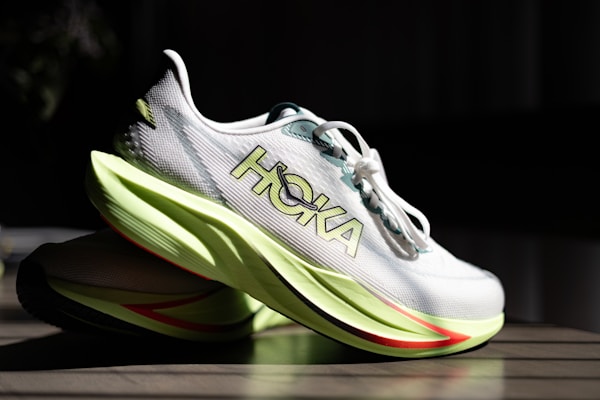
A max-cushion staple built for hospital floor shifts. Maximum stack height cushioning absorbs hospital floor impact, the rocker sole reduces forefoot fatigue over long shifts, and the APMA seal means it's been reviewed for foot health.
- Maximum cushioning for hard floors
- Rocker sole reduces forefoot fatigue
- APMA accepted
- Available in wide
- Expensive at $165
- Not slip-certified for clinical environments — pair with grippy socks or check hospital policy

The nursing school classic for a reason. Rocker bottom, wide toe box, APMA accepted, and a hard-sided upper that wipes clean and resists fluid exposure. The most common shoe in hospital units for 30 years — there's genuine clinical wisdom behind that.
- Rocker bottom reduces toe-off fatigue
- Wipeable hard upper for clinical environments
- APMA accepted
- Wide toe box for swollen end-of-shift feet
- Learning curve — takes a few shifts to adjust
- Less cushioning than running shoes
Not sure which is right for you?
A podiatrist can evaluate your gait and foot type to give a precise recommendation.

For nurses who want a professional-looking sneaker rather than a clog or running shoe. Available in 2E and 4E wide widths, ENCAP stability posting controls the overpronation that causes plantar fasciitis, and the suede/mesh upper looks sharp in most clinical settings.
- Available in multiple widths
- ENCAP stability prevents overpronation
- Professional appearance
- Premium construction lasts years
- Most expensive option
- Heavier than running shoes

Slip-resistant certification, memory foam insole, and a price point that makes replacing them every 6 months practical. Not as biomechanically sophisticated as Hoka or New Balance, but a solid everyday option for nurses who rotate between multiple pairs.
- Slip-resistant certification
- Affordable — easy to replace regularly
- Memory foam comfort
- Lightweight
- Memory foam compresses faster than performance foam
- Less arch support than premium options

Not for the floor — for the commute home and recovery hours. Oofos foam is designed as a high-rebound recovery material, not standard shoe cushioning, and the contoured footbed provides arch support. Wearing these instead of regular shoes during your off hours supports recovery between shifts.
- High-rebound recovery foam, not standard shoe cushioning
- Contoured arch support
- Machine washable
- Active recovery between shifts
- Not suitable for clinical floors
- Recovery use only — not a shift shoe

Not shoes, but the single most effective add-on to any nursing footwear. Graduated compression improves venous return from legs that are on their feet for 12 hours, reducing end-of-shift swelling and fatigue measurably. Wear under any of the shoes above.
- Measurably reduces shift fatigue and swelling
- Works with any shoe
- Used by professional athletes for recovery
- Precise graduated compression
- Investment at $65
- Takes a few shifts to get used to
The bottom line
Hoka Bondi 8 is the best overall nursing shoe — the cushioning and rocker geometry combination make it stand out. If you prefer clogs, Dansko Professional is the clinical standard for good reason.
The single most impactful change most nurses can make: add compression socks to whatever shoe you're already wearing. The combination of a good shoe and proper compression reduces end-of-shift fatigue more than either alone.
Want a personalized recommendation?
A podiatrist can evaluate your gait and foot type for a precise fit recommendation.