Toe separators won't reverse a bunion — nothing short of surgery will. But the right separator can meaningfully reduce pain, slow progression, and make daily life more comfortable. The key is knowing what you're buying them for.
For pain relief during activity: gel separators worn in shoes. For overnight correction attempts and stretching: rigid splints worn during rest. Here are the five best options in 2026.
Buy this if
- You have a mild to moderate bunion and want conservative relief
- You want to try a non-invasive option before considering other interventions
Skip it if
- Your bunion misalignment is severe, meaningful realignment at that stage usually needs medical intervention
- You have any open skin or wound between your toes
What to look for
How we choose
We evaluate material softness and durability, the correction angle provided, and whether a design is realistic to wear under socks or shoes for daily use, based on manufacturer specifications and verified owner feedback.
Our rankings reflect editorial judgment based on that evaluation, not a clinical trial. Toe separators manage symptoms — they don't reverse a bunion — so talk to a podiatrist about your treatment options.
The 5 best options in 2026
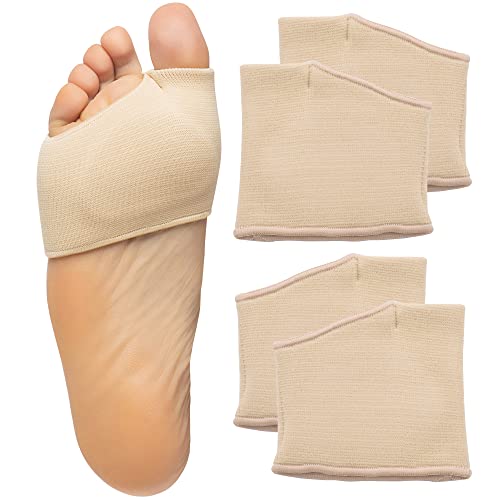
The most consistently recommended gel separator. Medical-grade silicone that actually stays in place during walking, washable, and low-profile enough to fit in most shoes. The 4-pack price makes it practical to replace them regularly.
- Medical-grade silicone stays in place
- Fits inside most shoes
- Machine washable
- Very affordable 4-pack
- Not suitable for severe bunions where gap is too narrow
- May need sizing up for wide feet

The premium option used by podiatrists and physical therapists. Addresses all four toe spaces simultaneously, can be worn during activity in wide-toe-box shoes, and the custom-fit design prevents the slipping that budget separators suffer from. Investment price but genuinely different quality.
- Addresses all four toe spaces
- Designed for use during activity
- Podiatrist and PT recommended
- Durable — lasts years not weeks
- Requires wide-toe-box shoes to fit
- Expensive upfront investment
Want personalised advice?
Sign up for our weekly newsletter — practical guidance every week.
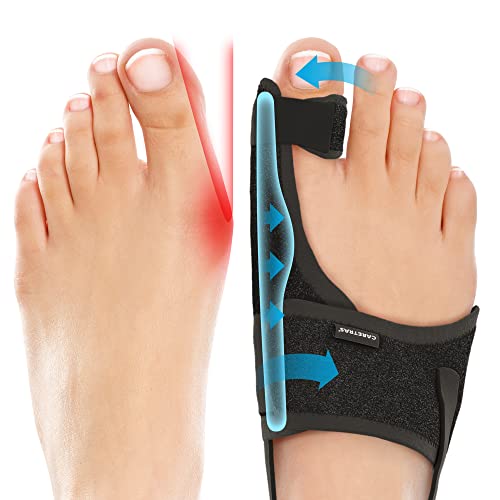
For overnight or at-rest use. A rigid splint holds the big toe in a more anatomical position during sleep, reducing the soft tissue tightness that worsens the deformity over time. Won't fit in shoes but as a rest-time intervention it's worth adding alongside a gel separator.
- Holds toe alignment during rest
- Padded for overnight wear
- Adjustable strapping
- Inexpensive
- Not suitable for wearing in shoes
- Rigid — takes adjustment to sleep in
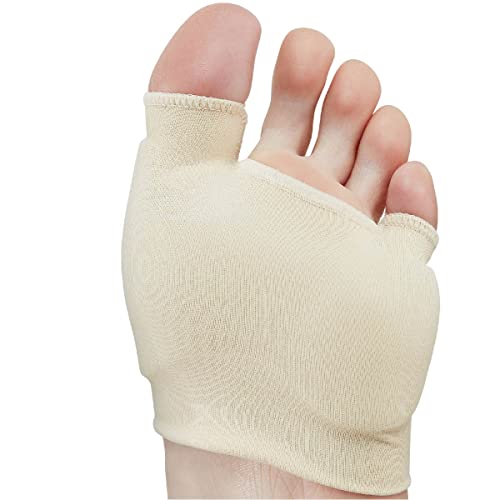
A gel sleeve that pads the bunion bump directly rather than separating the toes. Best for patients whose primary complaint is friction and rubbing rather than toe overlap — the gel cushioning absorbs the pressure from shoe uppers.
- Protects bunion bump from shoe friction
- Easy to put on and remove
- Low profile
- Washable
- Doesn't separate toes — different function than toe separators
- Less effective for pain caused by toe crowding

Adhesive pads that stick inside your shoe to cushion the bunion bump. Not a separator or corrector — just a $8 friction management solution that works surprisingly well for mild bunion discomfort. Replace after a few days of wear.
- Very affordable
- No learning curve
- Works with any shoe
- Immediate relief from friction
- Temporary — need regular replacement
- Only addresses friction, not deformity or toe crowding
The bottom line
ZenToes gel separators are the right starting point for most bunion patients — they're affordable enough to try without commitment and effective enough that most people notice a difference within a week.
For overnight stretching, add a splint alongside the daytime gel separator. The two approaches address different things and work better together than either alone.
If toe separators don't move the needle after 4-6 weeks, the problem may be primarily your footwear — see our Best Shoes for Bunions guide.
Get weekly foot health tips
New guides, product updates, and straightforward advice every week.