Falls are the leading cause of injury-related death in adults over 65. The right shoes significantly reduce fall risk — not through any magic feature, but by providing the stability, grip, and proprioceptive feedback that aging feet need.
The priorities for senior walking shoes are different from athletic shoes: stability over speed, easy on/off, wide widths for swollen feet, and therapeutic options that Medicare may cover. Here are the five best walking shoes for seniors in 2026.
Buy this if
- You walk daily for exercise or errands
- Balance is a concern and you'd benefit from a wider base and lower heel
Skip it if
- You need a medical-grade stability device rather than a shoe, that's a conversation for a physical therapist
- You're training athletically beyond casual walking
What to look for
How we choose
We prioritize stability features, ease of getting the shoe on and off, cushioning that doesn't come with excessive heel height, and a non-slip outsole — including whether a shoe qualifies under Medicare's Therapeutic Shoe program where that's relevant.
Our rankings reflect editorial judgment based on that evaluation, not a clinical trial. Balance and gait issues are worth discussing with a podiatrist or physical therapist directly.
The 5 best options in 2026
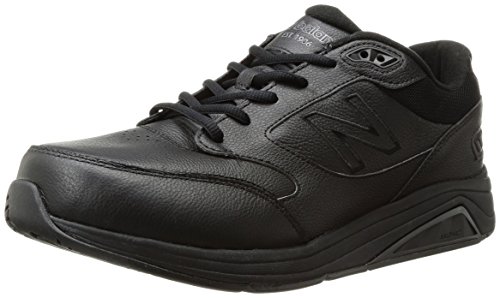
Medicare-approved as therapeutic footwear for qualifying patients. Available in 6 widths from 2A to 4E, ROLLBAR stability posting reduces the ankle instability that contributes to falls, and the removable insole accommodates diabetic insoles and custom orthotics.
- Medicare-approved therapeutic shoe
- Available in 6 widths
- ROLLBAR stability reduces fall risk
- APMA accepted
- Ask about Medicare coverage before buying at retail
- Heavier than athletic shoes

Dual velcro straps make independent dressing possible for seniors with limited dexterity or arthritis. Fully seamless interior eliminates pressure points. Extra depth accommodates swollen feet and custom orthotics. Orthofeet's biomechanical sole specifically addresses the altered gait patterns common in older adults.
- Dual velcro for easy dressing
- Fully seamless interior
- Extra depth for swelling
- Ergonomic sole for senior gait
- Purely functional aesthetic
Not sure which is right for you?
A podiatrist can evaluate your gait and foot type to give a precise recommendation.

The most accessible premium walking shoe for seniors who don't need therapeutic certification. Slip-on with no laces to tie, wide width option, built-in Arch Fit insole developed with podiatrists, and a price point that makes replacing them every year financially realistic.
- No laces to tie
- Wide width option
- Podiatrist-designed insole built-in
- Affordable for regular replacement
- Less stability than structured shoes
- Not Medicare-approved
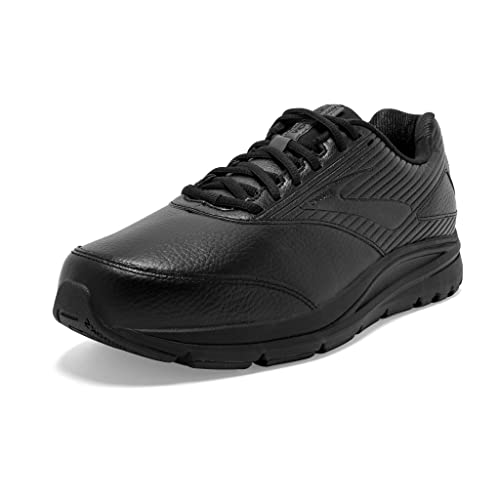
The highest stability walking shoe on this list — appropriate for seniors with significant overpronation or balance concerns. Extended Progressive Diagonal Rollbar controls rearfoot motion aggressively. Available in multiple widths and APMA accepted. For seniors who've been told they overpronate, this is the strongest motion control walking shoe available.
- Maximum stability for overpronation
- APMA accepted
- Multiple widths
- Durable leather upper
- Heavier than other options
- Stiffer — takes longer to break in

Propet specializes in therapeutic footwear for seniors and this slip-on combines their clinical expertise with genuine convenience. Knit upper accommodates width variations and foot swelling, removable insole accepts custom orthotics, and the rubber outsole provides reliable grip.
- Slip-on convenience
- Accommodates foot swelling
- Removable insole
- Propet therapeutic expertise
- Less structured than lace-up options
The bottom line
New Balance 928v3 is the best senior walking shoe — the stability, width options, and Medicare approval make it the complete package. But check your Medicare eligibility first: if you have diabetes or a qualifying foot condition, you may get this shoe at little to no cost through the therapeutic footwear benefit.
Regardless of which shoe you choose: get both feet measured at a specialty shoe store every time you buy new walking shoes. Foot size changes with age, and wearing the wrong size is the most common — and most preventable — cause of senior foot problems.
Want a personalized recommendation?
A podiatrist can evaluate your gait and foot type for a precise fit recommendation.